


What Is a heat pump and how does it work in Ireland?
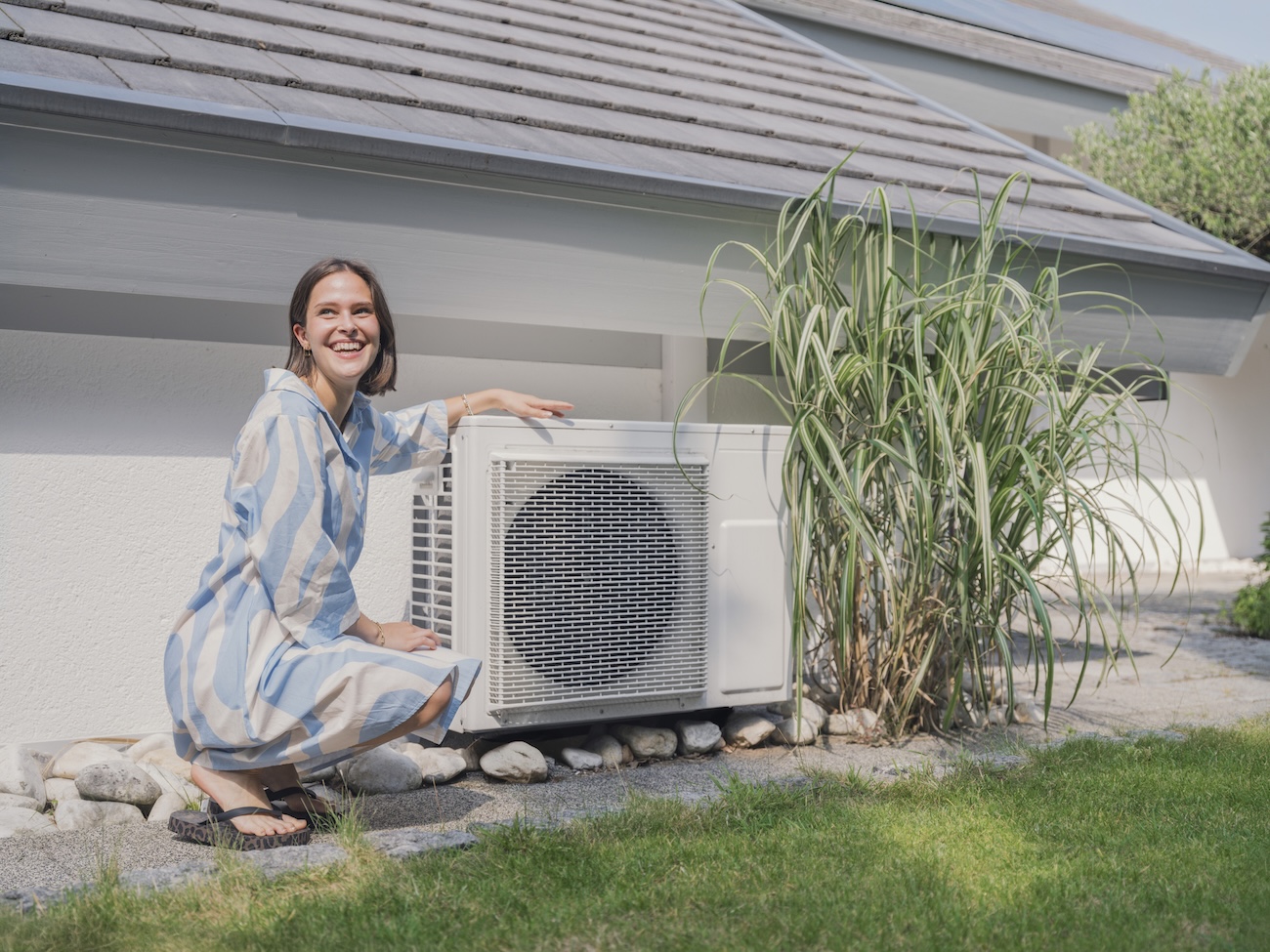
If you’re wondering whether a heat pump is suitable for your home here in Ireland, you’re not the only one. Considering how cold the weather can be in Ireland, many people are sceptical that heat pumps can provide reliable heating throughout the year. The good news is that heat pumps are actually designed to work in colder conditions which makes them ideally suited to Irish homes – assuming they are properly designed and installed. In this guide, we explain how heat pumps work, the options available in Ireland and what makes a home suitable for heat pump heating.
What is a heat pump?
Instead of the traditional methods of burning oil, gas or another fuel to create heat, a heat pump takes heat from the environment outside your home and brings it indoors. A simple way to think about it is like a fridge working in reverse. A fridge takes heat from inside and moves it outside. A heat pump takes heat from outside and moves it into your home.
A heat pump can be used both to heat the rooms in your home and provide hot water. Contrary to popular belief they can be used with existing radiators (in many cases) as well as underfloor heating or other heating systems.
Heat pumps are becoming increasingly common as part of home energy upgrades in Ireland, supported in some cases by government grants and funding schemes. They can help reduce reliance on fossil fuels and improve the energy performance of a home when the system is properly designed and installed. As grant availability and eligibility can vary, it is important to check the latest guidance before planning an upgrade.
How does a heat pump work?
First, the heat pump collects heat from an external source. For an air source heat pump, this is the outside air. Ground source systems take heat from the ground, while water source systems use a suitable water source. The system then uses electricity to increase the temperature of the collected heat. This allows it to be transferred into your home.
In simple terms, the process is:
- 1. Collect: Heat is taken from the air, ground or water outside your home.
- 2. Increase: The system uses electricity to raise the temperature of that heat.
- 3. Transfer: The heat is brought into your home.
- 4. Heat: It is distributed through your heating system and can also be used to heat hot water.
Approved Housing Body developments
Because a heat pump moves heat rather than generating it entirely from scratch, it can deliver considerably more heat energy than the amount of electricity it uses. How efficiently it does this depends on factors including the system design, outdoor weather conditions, the temperature the system needs to produce and the overall energy performance of the home.
For example, even when temperatures outside are low, an air source heat pump can still extract usable heat from the air. However, a well-insulated home will generally provide better conditions for efficient heat pump operation than a poorly insulated one.
This is why a heat pump should not be viewed as a simple replacement for an existing boiler. The condition and design of the home, the heating system and the way the system is used all influence its performance.
What types of heat pumps are available in Ireland?
There are several types of heat pumps, although three are particularly relevant when considering heating a home.
Air source heat pumps
Air source heat pumps take heat from the outside air and transfer it into the home. They are the most common type considered for many residential projects because they generally require less installation work than ground source systems.
An external unit is installed outside the property, with the heat pump system connected to the home’s heating and hot water systems.
Ground source heat pumps
Ground source heat pumps take heat from the ground using buried pipework or a ground loop. They can provide an efficient source of heating, but generally require more space and more extensive installation work than an air source system. They may be suitable for properties with sufficient outdoor space and the right ground conditions.
Water source heat pumps
Water source heat pumps take heat from a suitable body of water, such as a lake, river or well. They can be highly effective in the right circumstances, but their use depends on having an appropriate water source and meeting the relevant technical and environmental requirements. There is no single “best” heat pump for every home. The right system depends on the property, available space, existing heating system, energy performance, budget and heating requirements.
Is a heat pump right for every Irish home?
Heat pumps can be a good option for many Irish homes, but they are not necessarily right for every property which is why we recommend a fabric first approach.
Basically, a fabric first approach starts by looking at your home as a whole to see how improving its fabric can reduce heat loss and create better conditions for a heat pump to operate. This could include upgrading attic, wall or floor insulation, improving airtightness, replacing older windows and doors, or addressing other areas where heat is being lost.
The current heating system also needs to be considered. Heat pumps typically operate at lower temperatures than traditional boilers, so existing radiators will need to be assessed to make sure they can provide enough heat. In some homes, radiators may be suitable as they are, while others may benefit from larger or more efficient emitters. Underfloor heating can also be well suited to heat pump systems because it operates at lower temperatures.
Rather than simply replacing an oil or gas boiler with a heat pump, taking a whole-home approach can help ensure the heating system is matched to the property, supporting better comfort, energy performance and long-term value.
A professional home energy assessment is a good starting point. It can help determine how much heat your home needs, identify where improvements could have the greatest impact and establish whether a heat pump is the right solution.
Government grants and funding may be available for certain home energy upgrades, depending on the work being carried out and the property’s eligibility. As schemes and funding levels can change, you should check the latest guidance before planning their project.
Ready to explore a home energy upgrade?
Before choosing a heat pump, it is worth assessing your home’s insulation, heating system and overall energy performance. NetZero can help you understand what your home needs and identify the right approach to improving its energy efficiency.
Speak to the NetZero team about a home energy assessment or heat pump installation.
Conclusion
A heat pump is a renewable heating technology that takes heat from the air, ground or water and transfers it into your home for heating and hot water. They can be an effective option for Irish homeowners looking to improve energy efficiency and move away from fossil-fuel heating, but the home needs to be suitable for the system. A professional assessment can help you understand what improvements may be needed and whether a heat pump is the right choice for your property.
Thinking about a heat pump for your home? Talk to NetZero about your home energy upgrade today.
FAQs
1. What is a heat pump in simple terms?
A heat pump is a heating system that takes heat from outside the home and transfers it indoors. It can be used for heating rooms and, in many cases, hot water.
2. How does a heat pump work in Ireland?
A heat pump collects heat from the air, ground or water outside your home. It then increases the temperature and uses that heat inside the house.
3. Do heat pumps work in cold weather?
Yes, heat pumps can work in cold weather because there is still heat energy in the outside air. The key is making sure the system is correctly sized and the home is suitable.
4. Are heat pumps suitable for older Irish homes?
They can be, but older homes often need insulation or heating system upgrades first. A home energy assessment will help confirm whether a heat pump is suitable.
5. What is the most common type of heat pump in Ireland?
Air source heat pumps are commonly used in Irish homes because they are generally easier to install than ground source systems. However, the best option depends on the property.
6. Does a heat pump replace a boiler?
In many cases, yes, a heat pump can replace an oil or gas boiler. However, the wider heating system may also need changes to make sure it performs properly.
7. Is a heat pump renewable heating?
A heat pump is considered a renewable heating technology because it uses heat from the environment. It does use electricity, but it can produce more heat energy than the electricity it consumes.