


What Is a Deep Retrofit In Ireland and What Does It Include?
If you’ve been looking into ways to make your home warmer, more comfortable and more energy efficient, you’ve probably come across terms like deep retrofit, Building Energy Rating (BER) upgrades and home energy upgrades. But what does a deep retrofit actually involve, and how do you know if it’s the right approach for your home?
In this guide, we’ll explain what a deep retrofit means in Ireland, the upgrades it typically includes and how it differs from making a few smaller improvements. We’ll also look at why planning ahead is important and what to consider before getting started.
What Does Deep Retrofit Mean In Ireland
A deep retrofit is a whole-house energy upgrade plan that involves several major improvement projects that make your home more energy efficient, usually with the end goal of improving your Building Energy Rating (BER). In this scheme, instead of just replacing an old boiler with a heat pump or fixing one draughty window, an energy expert will review how your home performs as a whole before making a series of suggestions for improvements.
The suggested works will vary from one property to another as the service is tailored, but it often includes improving insulation in the walls, roof and floors, upgrading windows and doors, and making the home more airtight. Ventilation is also important, as a well-insulated, airtight home still needs a reliable supply of fresh air to help prevent dampness and condensation.
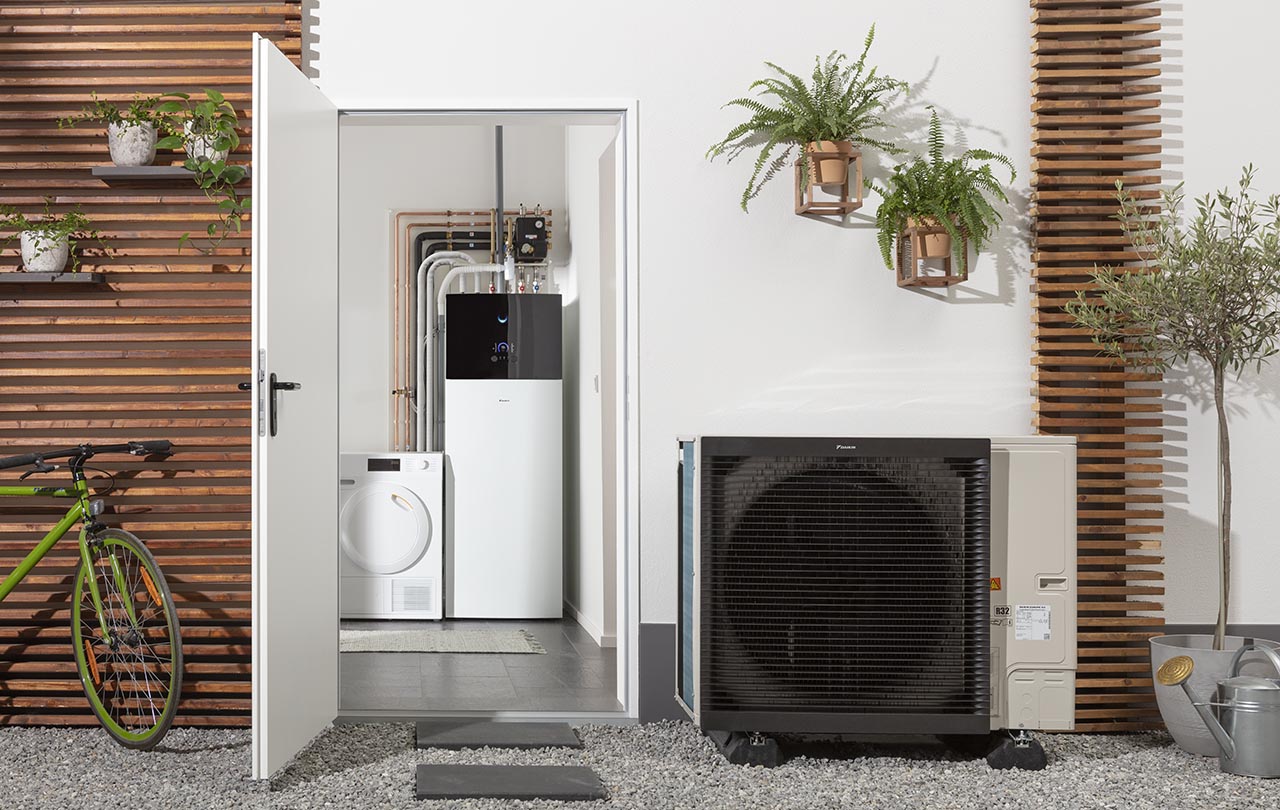
Once the home’s insulation and airtightness have been addressed, the right heating system can be chosen. This might include a heat pump with additional solar PV panels to generate the necessary electricity. Taking this multi-angled approach helps ensure that all new systems work effectively within the upgraded home.
In Ireland, deep retrofits often aim to bring a property to a BER of B or higher, with some projects targeting an A rating. The best approach to a residential deep retrofit will depend on the individual home’s age, overall condition and existing energy performance. The key is to assess the home first and then make a detailed plan for implementing all of the energy improvements during one large project instead of trying to tackle them one at a time over the course of a year or more.
What Does a Deep Retrofit Include?
The upgrades involved in a deep retrofit will depend on the age, condition and energy performance of your home. A whole house retrofit in Ireland might include a combination of new insulation, improved windows and doors, a new heating system and renewable energy technologies like solar panels. The aim is to choose the measures that will make the biggest difference to your specific home, rather than taking a one-size-fits-all approach.
Typical home energy upgrades include:
● Attic and Wall Insulation: New insulation reduces heat loss and keeps your home warmer for longer.
● Floor Insulation: If this type of insulation is suitable for the property, you can improve a source of heat loss.
● Windows and Doors: Replacing or upgrading older units helps improve your home’s airtightness and reduces draughts.
● Airtightness improvements: Sealing any significant gaps in your home’s overall construction helps prevent cold air from getting in and heat from escaping.
● Ventilation Upgrades: Ensures fresh air continues to circulate, helping manage moisture and prevent condensation.
● Heat Pump Installation: Provides an efficient way to heat your home and hot water.
● Heating Controls: Helps you manage when and where your home is heated.
● Hot Water System Upgrades: Improves how hot water is heated and stored.
● Solar PV Panels: Generates electricity from daylight to help power your home.
For a wider guide to retrofit planning, BER B2 upgrades and project delivery, read our full guide to large-scale retrofit solutions in Ireland
.
Why the Order of Upgrades Matters
A successful home energy upgrade in Ireland is about more than choosing the right products. It’s also about getting the order of works right. This is why we operate a fabric-first approach, which means improving the parts of your home that keep heat in before deciding on any other upgrade projects like installing a new heating system. Upgrading insulation and then moving on to reducing draughts helps your home retain warmth, and appropriate ventilation maintains good indoor air quality. When less heat is escaping, it becomes easier to determine the heating system that’s the best fit for keeping your property warm and comfortable.
This multi-step approach prioritises solving the problem of why your home loses heat before installing a new heating system. It also helps ensure that insulation, ventilation, heating controls and other upgrades work effectively together.
At NetZero Group, we bring together expertise across insulation, heat pumps, solar PV, heating system controls, ventilation and hot water systems. This means every residential deep retrofit project is carefully crafted one coordinated to look at your entire home’s energy needs, helping you work towards a more comfortable, energy-efficient home and and improved BER.
Is a Deep Retrofit Right for Every Home?
Not every home needs a full deep retrofit straight away. A few targeted upgrades, such as adding attic insulation or replacing an inefficient heating system, may be enough to address specific problems and improve comfort. A deep retrofit takes a broader approach, combining multiple major improvements as part of a coordinated plan to improve the energy performance of the home as a whole. The difference is not just the number of upgrades involved, but how they work together.
The right approach will depend on a few factors, including:
● Current Building Energy Rating: This gives an indication of your home’s energy performance and where improvements may be needed.
● Home Age and Condition: Older properties may have greater rate of heat loss or need a different approach to insulation and ventilation improvement projects.
● Existing Insulation and Heating System: The condition of your current insulation and heating system will help determine which upgrades are likely to make the biggest difference.
● Budget: Depending on your circumstances and available SEAI grant schemes, it may make sense to plan the work in stages rather than carry out every upgrade at once.
● Future Plans: How long you intend to stay in your home and any separate renovation plans you have will help your team decide which home energy improvements to prioritise.
For older, colder or less energy efficient homes, a combination of home energy upgrades may be needed to achieve a significant improvement in interior comfort and overall energy performance.
The best starting point for any home energy upgrade in Ireland is a home energy assessment. This assessment helps identify if and where heat is being lost, what improvements are suitable and how they might work together. It also provides a clearer basis for planning costs and setting realistic expectations for the outcome.
There’s no single retrofit package that suits every home. A good plan should be based on your property’s needs, helping you choose the right improvements and decide when to carry them out.
Deep Home Retrofit Projects, Grant Schemes, and Planning Your Next Step
The cost of a deep retrofit will depend on the work your home needs, but grants and other supports may be available to help with certain upgrades. In Ireland, the Sustainable Energy Authority of Ireland (SEAI) offers support for individual improvements, as well as more comprehensive home energy upgrades managed through registered One Stop Shops.
Eligibility will depend on factors such as the property, the measures involved and the requirements of the scheme. Grant availability and eligibility can change, so you should always confirm the latest guidance before making decisions. You can check the SEAI website for current information on available grants and application requirements. It’s also important to check whether grant approval is needed before work begins.
At NetZero Group, the first step in planning a deep retrofit is a home energy assessment. This helps us understand how your home currently performs, where energy may be wasted and which improvements are likely to make the biggest difference.
Depending on the property and the scope of the assessment, this may involve:
1. Reviewing your home’s current BER to understand its existing energy performance.
2. Identifying areas of heat loss, including insulation, windows and doors, to see where improvements may be needed.
3. Assessing your heating, hot water and ventilation systems to understand how well they meet your home’s needs.
4. Recommending suitable upgrades based on your property’s condition, energy performance and priorities.
5. Planning the work in the right order, while considering costs, your budget and any relevant grant supports.
The findings provide a clearer picture of the work involved and help shape a retrofit plan around your home, bringing the different improvements together rather than relying on a standard package of upgrades.
Before starting a deep retrofit project, speak to NetZero about your home, your current BER rating and the most practical upgrade pathway for your needs.
A deep retrofit is about taking a planned, whole-house approach to improving your home’s energy efficiency, comfort and BER rating. The right combination of upgrades will depend on your property, so it’s important to look at how each measure works with the others rather than choosing improvements in isolation.
Want to learn more about residential deep retrofits in Ireland? Arrange an assessment with NetZero Group today and find out how a whole home deep retrofit could work for your home.
FAQs
A deep retrofit is a major home energy upgrade designed to improve the energy performance of a property. It usually involves several measures rather than one single upgrade.
A deep retrofit may include insulation, ventilation, heating controls, heat pumps, windows, doors, hot water upgrades and solar PV. The exact works depend on the home.
Not always. A home energy upgrade can be small or large, while a deep retrofit usually means a more complete, whole-home approach.
Many deep retrofits include a heat pump, but the home needs to be suitable first. Insulation, ventilation and heat loss should usually be assessed before changing the heating system.
Yes, many older homes can be upgraded, but they often need careful assessment. The right approach depends on the building type, condition, insulation levels and budget.
Grants may be available depending on the property and the works being carried out. Homeowners should check the latest SEAI guidance before making decisions.
Start with a home energy assessment. This helps identify the current condition of the property, what upgrades are needed and the best order to complete the works.