


Solar PV for Housing Developments: Design and Delivery Guide for Developers
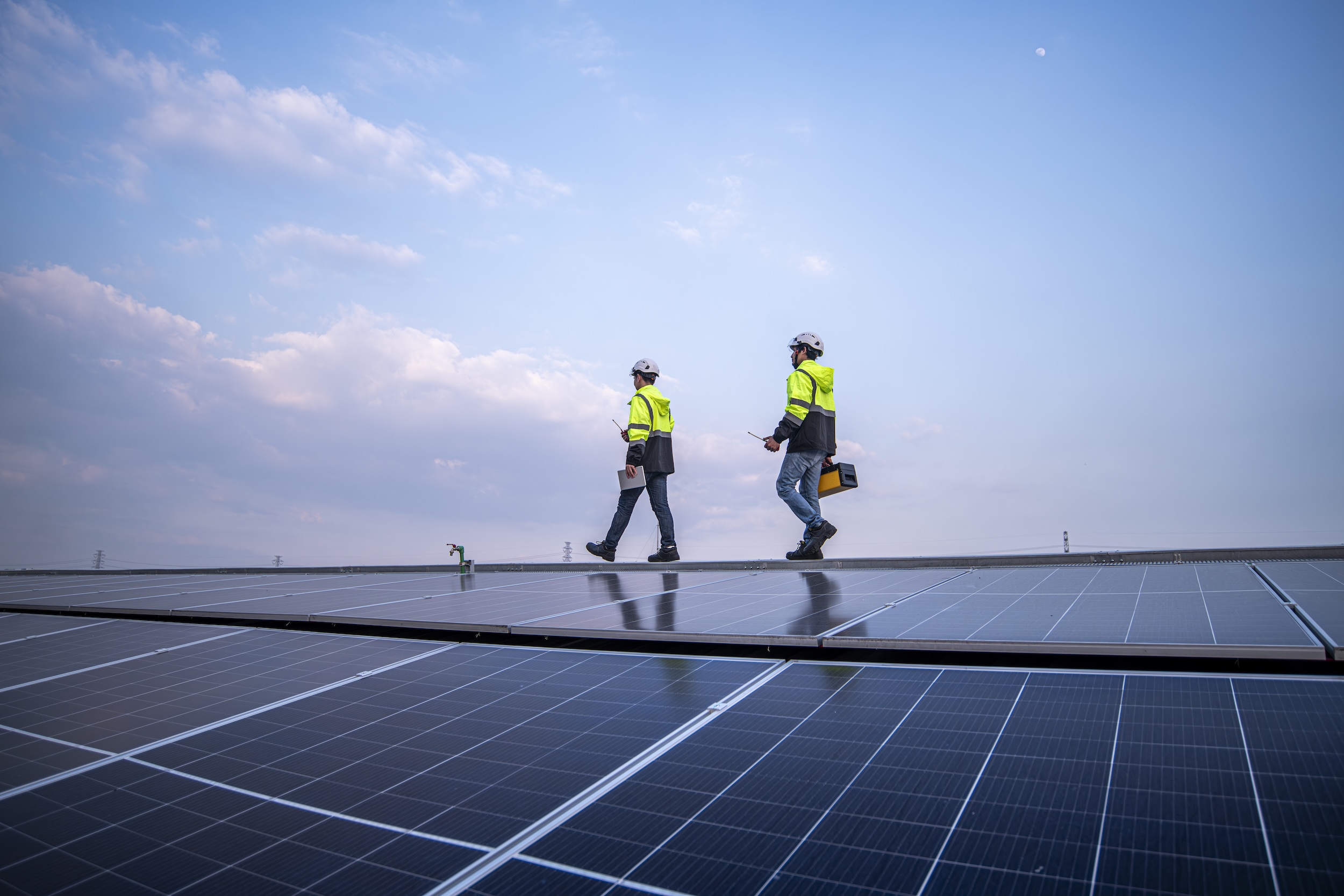
Today’s solar photovoltaic (solar PV) panels offer incredible energy savings and are now common in many new-build schemes across Ireland, but uncoordinated installation can lead to problems on site if it’s left until the final stages of design and building. We’ve created a practical guide for Irish development teams who are effectively planning wide-scale installation of solar PV for housing developments to help you set priorities early on, know what to specify clearly, and avoid common issues.
1. What Developers Need to Decide Early (and Why It Matters)
When installing solar PV for new build housing in Ireland, the most important decisions should be made during the design and planning stages, not during construction. Solar PV installation involves much more than just adding panels, and proper planning can ensure the structure is optimised to make the most of solar PV, such as adding an electric heat pump system that can be powered by solar or a rechargeable solar battery that can store and deliver excess electricity generated during the day. Late changes like resizing systems or relocating solar panels will almost always lead to programme delays and additional costs. Proper planning leads to solar PV that will integrate smoothly with architecture, structure and services rather than compete with them.
Early design considerations for residential developments include roof area pitch and allocation and shading from neighbouring buildings. Developers should also focus on clearing plant zones and planning access routes and enough space for future maintenance before the building process even begins. These early design considerations for residential developments are often overlooked, but they directly affect long-term solar PV performance and tenant safety.
The ownership structures of housing units within a single development will necessitate different solar PV planning. Will the panels serve individual dwellings, provide communal energy, or export any excess electricity to the grid? This is particularly important for apartments and mixed-use schemes, where tenant billing expectations and landlord responsibilities are different.
Treating solar PV as core infrastructure—not a late add-on—avoids coordination issues on site and protects programme certainty.
2. Specification Essentials: Performance, Components and Warranties
Clear solar PV specifications and component selection for developers are essential to control the panel integration, quality, and long-term performance. The spec should define the panels’ target maximum energy output or kilowatt-peak (kWp), expected energy yield assumptions, inverter strategy, monitoring requirements, isolators, cabling routes, SEAI-required safety labelling and shutdown arrangements. Without clarity on all of these specifics, solar PV performance could fall short of expectations upon installation.
Component selection covers the solar panel type, inverters (which control how much of the sun’s captured energy becomes usable for home electronics), mounting systems that provide waterproofing and wind resistance, and monitoring platforms that keep track of the panels’ performance and faults. The warranties of those components are also important to distinguish and keep on record: performance warranties will establish a minimum energy output over a period of time, and product and workmanship warranties cover physical damage or broken components. Determining who takes responsibility for the warranty documentation and coordination after handover is a key part of any effective solar PV procurement checklist. A practical tip is to require a full commissioning pack and verified “as-built” documentation as a contractual deliverable.
Typical project risks include cheap mounting systems, poor cable management, missing monitoring and unclear responsibilities at handover. These are issues that typically only surface after the system is live and underperforming.
3. Metering, Fire Safety and Compliance: Avoiding Common Snags
Choosing the right solar PV meters for apartment developments is a common hurdle. At a high level, energy metering schemes may use a single meter that covers the entire building, multiple meters for each unit, or a landlord meter that tracks energy across units and common areas. Excess energy captured by the solar PV can be allocated to benefit tenants by covering communal services like lighting or lifts, or it can generate income for unit owners or landlords. Choosing the right meters are an important part of the planning process, and decisions must align with ownership, tenant billing structures and long-term operational responsibility. Retrofitting metering strategies late in the project is usually costly and disruptive.
Fire safety and access points are equally critical solar PV design considerations. Properly planned systems must include safe isolation points, legal signage, emergency access provisions and clear roof access routes. Plant zones should also remain unobstructed so that fire safety strategies are not compromised.
A common misconception is that PV doesn’t affect a development’s fire safety strategy. In reality, rooftop systems require coordination with fire consultants, designers, and operations and maintenance teams to ensure buildings remain safety compliant.
4. Delivery, Handover and Operations and Maintenance (O&M): Protecting Long-Term Performance
From a developer’s perspective, good solar PV installation is about proper panel sequencing and arrangement, quality assurance checks, taking photographs for records, and writing clearly defined snag lists (detailed reports of any manufacturer defects, incomplete building works, or damaged finishes).
When the installation is done, handover requirements should include basic training for the panel operators, clear access to monitoring systems, panel maintenance schedules, spare parts for repairs, and a clearly documented emergency shutdown procedure. If any of this information is missing at the close of the project, it often leads directly to system neglect and underperforming panels. Solar PV O&M requires periodic inspections, occasional cleaning, inverter health checks and responding to any alerts.
A practical tip is to build O&M and monitoring into the solar PV project plans from day one. Treating solar PV as a long-term asset instead of a compliance item reduces any chance of budget overages, retrofitting issues, or energy underperformance. Creating a robust solar PV procurement checklist and carefully following it during your installation process makes for a much better handoff.
Conclusion
Solar PV delivers the best results in housing developments when installation is coordinated as early as possible, goals are clearly specified, and when a handover is made with monitoring and O&M already in place. For housing developers, the commercial upside to proper solar PV planning is fewer delays, cleaner compliance, and better long-term performance for owners and residents.
If you are planning on installing solar PV in your upcoming development, speak with our team about reviewing your strategy and specifications.
FAQs
1. When should solar PV be designed into a housing development?
As early as concept or planning stage. Early decisions avoid redesigns around roof layout, access routes, structural allowances and metering strategy.
2. What should be included in a solar PV specification for developers?At minimum: target capacity, component standards, monitoring requirements, commissioning documentation and warranty responsibilities. A clear spec prevents value engineering that hurts performance.
3. How does solar PV metering work for apartment developments?
It depends on whether PV feeds landlord/common loads, individual units, or exports to the grid. The key is agreeing the metering and benefit model early so billing and ownership are clear.
4. What are common issues seen at handover for solar PV systems?
Missing monitoring access, incomplete commissioning packs, unclear warranty holders and no agreed maintenance schedule. These issues usually lead to underperformance and disputes.
5. Do solar PV systems need ongoing maintenance?
Yes—mainly inspection, performance monitoring and occasional corrective works. The goal is to catch faults early and protect output over the life of the asset.
To learn more, explore our commercial developments page or speak to our team about an upcoming upgrade project.