


Heat Pumps Ireland: Air Source, Ground Source, Installation & SEAI Grants
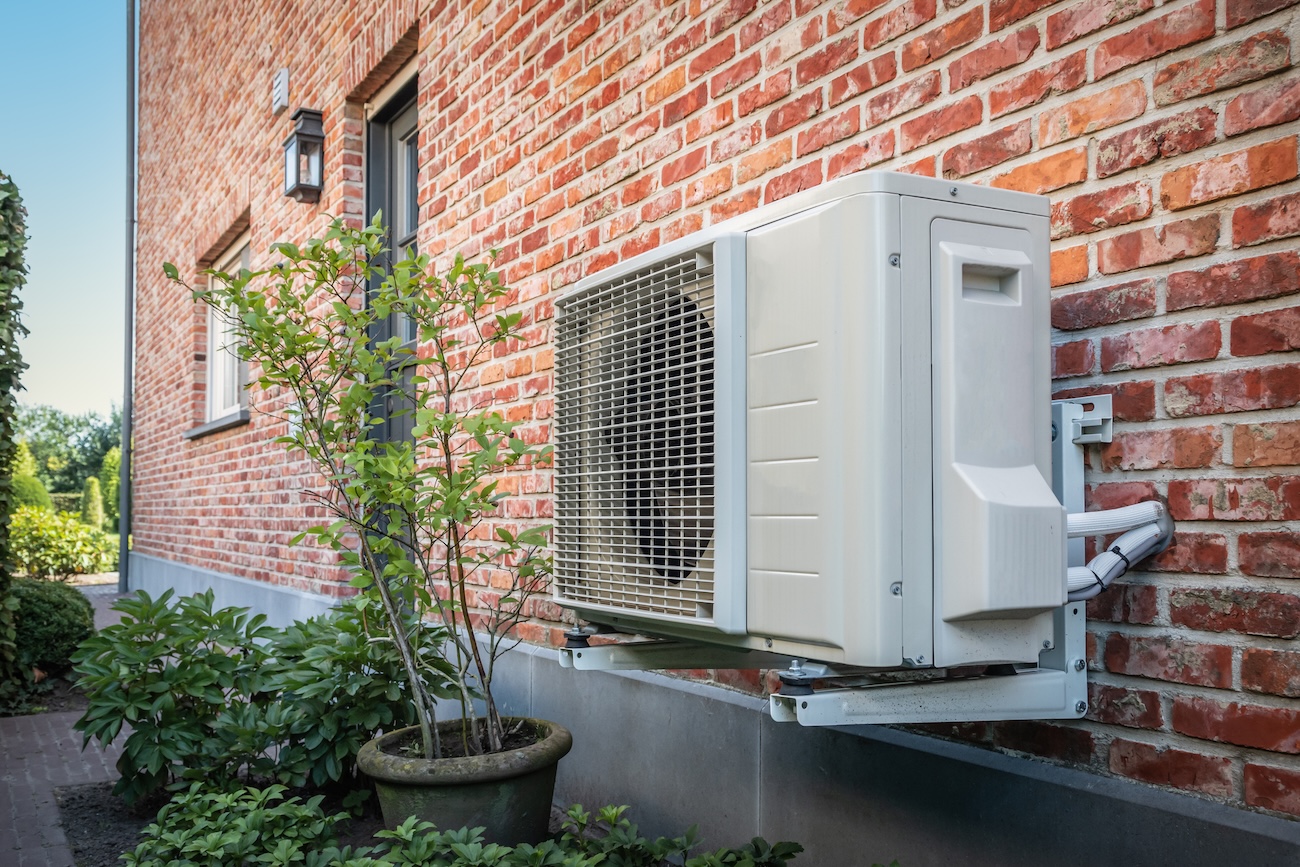
Heat Pumps Are Transforming How Irish Buildings Are Heated
As Ireland continues its transition towards lower-carbon buildings, heat pumps are becoming an increasingly important part of both new build and retrofit projects. From housing developments and apartment schemes to commercial premises and public sector buildings, organisations are looking for heating solutions that improve energy performance, reduce carbon emissions and support long-term operational efficiency.
While heat pumps are now widely recognised as an effective low-carbon heating technology, selecting the right system is rarely straightforward. Every project presents different challenges, from building design and insulation standards to hot water demand, space constraints and ongoing maintenance requirements. A successful installation depends on far more than choosing the right unit.
For developers, Approved Housing Bodies (AHBs), local authorities, REITs and commercial property owners, heat pumps should be considered as part of a wider building services strategy. Heating, insulation, ventilation, solar PV, controls and commissioning all work together to influence performance.
At NetZero, we support projects at every stage, delivering integrated energy solutions across new build developments, retrofit programmes and commercial buildings. This guide explains how heat pumps work, compares the main system types, outlines what successful installation involves and highlights the funding considerations project teams should be aware of.
Why Heat Pumps Matter for Irish Building Projects
Heat pumps are playing an increasingly significant role in Ireland’s move towards more sustainable buildings. As regulations evolve and expectations around energy performance continue to rise, they offer developers and property owners an effective way to reduce reliance on fossil fuels while improving long-term building efficiency.
Unlike traditional heating systems that generate heat by burning fuel, heat pumps transfer existing heat from the outside air or the ground into the building. Because they use electricity to move heat rather than to create it, they provide efficient heating with significantly lower carbon emissions.
For many organisations, the decision to install heat pumps is driven by more than environmental targets alone. Building owners are increasingly looking to reduce operational costs, improve Building Energy Ratings (BER), future-proof developments and create more comfortable homes and workplaces.
Heat pumps are particularly well suited to:
- New housing developments
- Apartment schemes
- Social and affordable housing
- Local authority retrofit programmes
- Approved Housing Body developments
- Commercial offices
- Healthcare facilities
- Educational buildings
- Mixed-use developments
Across these project types, heat pumps support wider sustainability objectives while helping organisations prepare for a future where low-carbon heating becomes the norm. However, successful projects require careful planning and a heat pump should never be viewed as a standalone product. Its performance depends on how well it works alongside the rest of the building.
Key factors include:
- Insulation levels
- Airtightness
- Ventilation strategy
- Heating controls
- Domestic hot water demand
- Emitter selection
- Commissioning
- Ongoing maintenance
When these elements are designed together, heat pumps can operate efficiently and provide consistent indoor comfort throughout the year. If one part of the system is overlooked, performance can be compromised. For example, a poorly insulated building will require more energy to maintain comfortable temperatures. Similarly, incorrectly sized equipment or poorly configured controls can reduce efficiency and increase running costs.
This integrated approach is becoming increasingly important as developers seek to deliver buildings that perform well not only at handover but throughout their operational life. That is why many project teams now favour delivery partners who can coordinate multiple disciplines rather than individual trades working independently.
NetZero provides integrated expertise across:
-
- Heat pump systems
- Insulation
- Solar PV
- Mechanical ventilation
- Hot water systems
- Commissioning
- Planned maintenance and servicing
By considering the whole building rather than a single technology, project teams can reduce design conflicts, improve installation quality and deliver better long-term outcomes. Successful heat pump projects begin long before installation starts. They begin with a building designed to perform.
Air Source vs. Ground Source Heat Pumps: Which Is Right for Your Project?
Although the term “heat pump” is often used generally, there are two main technologies used in Irish buildings: air source heat pumps and ground source heat pumps. Both provide efficient low-carbon heating, but they suit different project types and site conditions.
Air source heat pumps
Air source heat pumps extract heat from the outside air and transfer it into the building for space heating and hot water.
Even during colder weather, the outside air contains usable heat. Modern systems are designed to operate efficiently in Ireland’s climate throughout the year.
For many developments, air source systems are the most practical solution because they:
- Require relatively little external space
- Involve less disruption during installation
- Avoid extensive groundworks
- Can be integrated into new build or retrofit projects
- Are suitable for individual homes, apartments and commercial buildings
This flexibility has made air source heat pumps the most common choice across many residential developments and housing retrofit programmes.
Ground source heat pumps
Ground source heat pumps collect heat stored naturally within the ground using buried pipework or vertical boreholes.
Because underground temperatures remain relatively stable throughout the year, these systems can offer highly consistent performance.
However, they usually require:
● Sufficient land availability
● Significant excavation or drilling
● Longer design programmes
● Greater upfront capital investment
For these reasons, they are often better suited to larger developments where long-term ownership and master planning allow these factors to be incorporated from the outset.
Rather than asking which technology is “best”, project teams should ask which solution best fits the building.
Factors that influence the decision include:
- Site constraints
- Building design
- Heating demand
- Available budget
- Project programme
- Maintenance strategy
- Ownership model
- Long-term operational objectives
An experienced design team can assess these factors and recommend the most appropriate approach. Ultimately, successful projects are driven by whole-building performance rather than individual products.
Heat pumps, insulation, ventilation, heating controls and renewable electricity generation all contribute towards achieving the desired outcomes.
For many Irish developments, air source heat pumps offer the right balance of performance, installation simplicity and flexibility. However, on suitable sites with the right conditions, ground source systems may deliver long-term advantages that justify the additional investment.
It’s important to remember that the best solution is always specifically tailored to the project at hand.
Learn more about Heat Pumps Ireland—Air Source, Ground Source, Installation & SEAI Grants.
What Developers, Housing Bodies and Commercial Property Teams Need to Know About Heat Pump Installation in Ireland
Successful heat pump installation is about much more than selecting and fitting a heating unit. For developers, Approved Housing Bodies (AHBs), local authorities and commercial property owners, achieving the best long-term performance requires careful planning, technical expertise and close coordination across multiple building systems.
Whether delivering a new housing scheme, retrofitting existing homes or upgrading a commercial building, heat pumps should be considered as part of the overall building design from the earliest stages of the project. Decisions made during planning and specification can have a significant impact on energy performance, installation costs and the long-term operation of the building.
Start with a thorough project assessment
Every successful project begins with understanding the building’s requirements.An initial site assessment should consider factors such as the building’s size, layout, intended use and existing infrastructure. For retrofit projects, this also means assessing the condition of the building fabric, identifying any limitations of the existing heating system and understanding what upgrades may be needed to support efficient heat pump operation.
Alongside the site assessment, project teams should complete an energy demand review. This looks at how much heating and hot water the building will require, both now and in the future. Correctly assessing demand is essential to ensure the system is appropriately sized. An oversized or undersized heat pump can reduce efficiency, increase operating costs and affect occupant comfort.
Design the system while considering the whole building
Heat pumps perform best when they are integrated into a well-designed building rather than added as a standalone technology.
During the design stage, engineers should consider how the heating system will work alongside:
- Insulation and airtightness
- Mechanical ventilation
- Domestic hot water systems
- Heating controls and zoning
- Renewable technologies such as solar PV
- Electrical infrastructure
These elements all influence the efficiency and overall performance of the system.
Building Energy Rating (BER) targets should also be considered early in the design process. Heat pumps can make a valuable contribution towards improving a building’s energy performance, but achieving the desired BER depends on the combined performance of the entire building, not just the heating system.
Ensure compatibility with the building
Before installation begins, it is important to confirm that the heat distribution system is suitable for efficient operation. Many modern buildings are designed with underfloor heating, which works particularly well with heat pumps because it operates at lower water temperatures. In other projects, existing radiators may be suitable, although some systems may require upgrades or resizing to deliver the desired level of comfort and efficiency.
Hot water demand should also be carefully assessed. Apartment developments, social housing schemes and commercial buildings often have different occupancy patterns, which can influence storage requirements and system design.
Controls and zoning also play an important role. Well-designed controls help ensure heat is delivered where and when it is needed, improving occupant comfort while reducing unnecessary energy consumption.
Ventilation should never be considered in isolation. A well-insulated, airtight building requires an appropriate ventilation strategy to maintain indoor air quality and support overall building performance.
The Installation stage of the process
Once the design has been finalised, installation can begin. However, successful delivery relies on effective coordination between multiple trades throughout the construction programme. Heating contractors, electrical contractors, ventilation specialists, insulation installers and project managers all need to work together to ensure the system is installed as designed and integrated correctly with the wider building services.
Early contractor involvement can be particularly valuable on larger developments. Bringing installation specialists into the project during the design stage helps identify potential coordination issues before construction begins, reducing design clashes, installation delays and costly changes later in the programme.
Why commissioning is essential
Commissioning involves testing the system, configuring controls, balancing performance and confirming that the heat pump operates efficiently under normal conditions. This stage ensures that the installed system performs in line with the original design and project objectives.
A structured handover should also be provided to building owners or facilities management teams. This should include operating guidance, maintenance requirements and supporting documentation so the system can continue to perform effectively throughout its lifecycle.
Planning for long-term heat pump performance
Heat pumps are long-term building assets and should be supported by an appropriate servicing and maintenance strategy.
Regular inspections, preventative maintenance and system optimisation help maintain efficiency, reduce the risk of unexpected breakdowns and extend equipment life. For larger residential developments and commercial buildings, planned maintenance also supports compliance with operational and asset management requirements.
Tenant and resident behaviour should also be considered. Providing clear guidance on how heating controls operate can help occupants use the system effectively and maximise energy performance.
Additional considerations for apartments and retrofit projects
Apartment developments often require additional planning because of shared infrastructure and space constraints.
Project teams should consider:
- Plant room and equipment locations
- External unit placement
- Acoustic performance and noise management
- Domestic hot water strategy
- Maintenance access
- Coordination with other building services
These issues are often easier and more cost-effective to resolve during the design phase than after construction has begun.
Retrofit projects present a different set of challenges. Existing buildings may require improvements to insulation, windows, ventilation or heat emitters before a heat pump can operate efficiently. Addressing these elements as part of a coordinated retrofit strategy helps maximise system performance and improve long-term building efficiency.
Delivering integrated energy solutions
As building standards continue to evolve, successful heat pump projects increasingly depend on collaboration across multiple disciplines rather than a single product installation.
NetZero supports developers, AHBs, local authorities and commercial property owners with integrated energy solutions spanning new build developments, retrofit programmes and ongoing building management. By bringing together expertise in heat pumps, insulation, ventilation, solar PV, heating controls, commissioning and long-term servicing, projects can be designed, delivered and maintained as complete building systems.
For organisations planning heat pump installation across multiple homes, apartment schemes or commercial sites, this integrated approach can help reduce project risk, improve coordination and deliver better long-term building performance.
Planning a heat pump installation?
For developers, Approved Housing Bodies (AHBs), local authorities and commercial property teams planning heat pump installations across multiple homes, apartment schemes or commercial sites, NetZero provides end-to-end support, from system design and specification through to installation, commissioning and ongoing maintenance.
Learn more about our Heat Pump Installation and Mechanical Services.
Conclusion
Heat pumps are becoming a key part of Ireland’s transition to more energy-efficient homes, apartment developments and commercial buildings. However, achieving the best results depends on far more than selecting the right technology. Successful projects require careful planning, accurate system design, integration with the wider building fabric and services, expert installation, thorough commissioning and ongoing maintenance.
Whether you’re planning a new development, large-scale retrofit or commercial energy upgrade, NetZero can support every stage of the project. Speak to our team to discuss your upcoming heat pump, retrofit or new build energy project and discover how an integrated approach can help deliver long-term building performance.
FAQs
1. What is the best heat pump for Irish buildings?
There is no single best heat pump for every project. The right choice depends on the building type, insulation, heating demand, available space, budget and long-term maintenance requirements.
2. Are air source heat pumps suitable for apartments in Ireland?
Yes, air source heat pumps can be suitable for apartment projects, but they need careful design. Space, access, noise, hot water demand and maintenance requirements all need to be considered early.
3. What is the difference between an air source and ground source heat pump?
An air source heat pump takes heat from the outside air, while a ground source heat pump takes heat from the ground. Air source systems are generally easier to install, while ground source systems may suit larger sites with suitable land.
4. Can heat pumps be used in retrofit projects?
Yes, but the building fabric needs to be assessed first. Insulation, ventilation, windows, heating controls and existing radiators can all affect how well a heat pump performs.
5. Do heat pumps work in Irish weather?
Yes, heat pumps are designed to work in typical Irish conditions. The key issue is not the weather alone, but whether the system has been correctly designed, sized and installed.
7. Why should B2B clients choose an experienced heat pump contractor?
Large-scale projects need more than basic installation. An experienced contractor can help with specification, coordination, commissioning, compliance, handover and long-term service.