


How to Plan Residential Retrofit Projects for BER B2 in Ireland
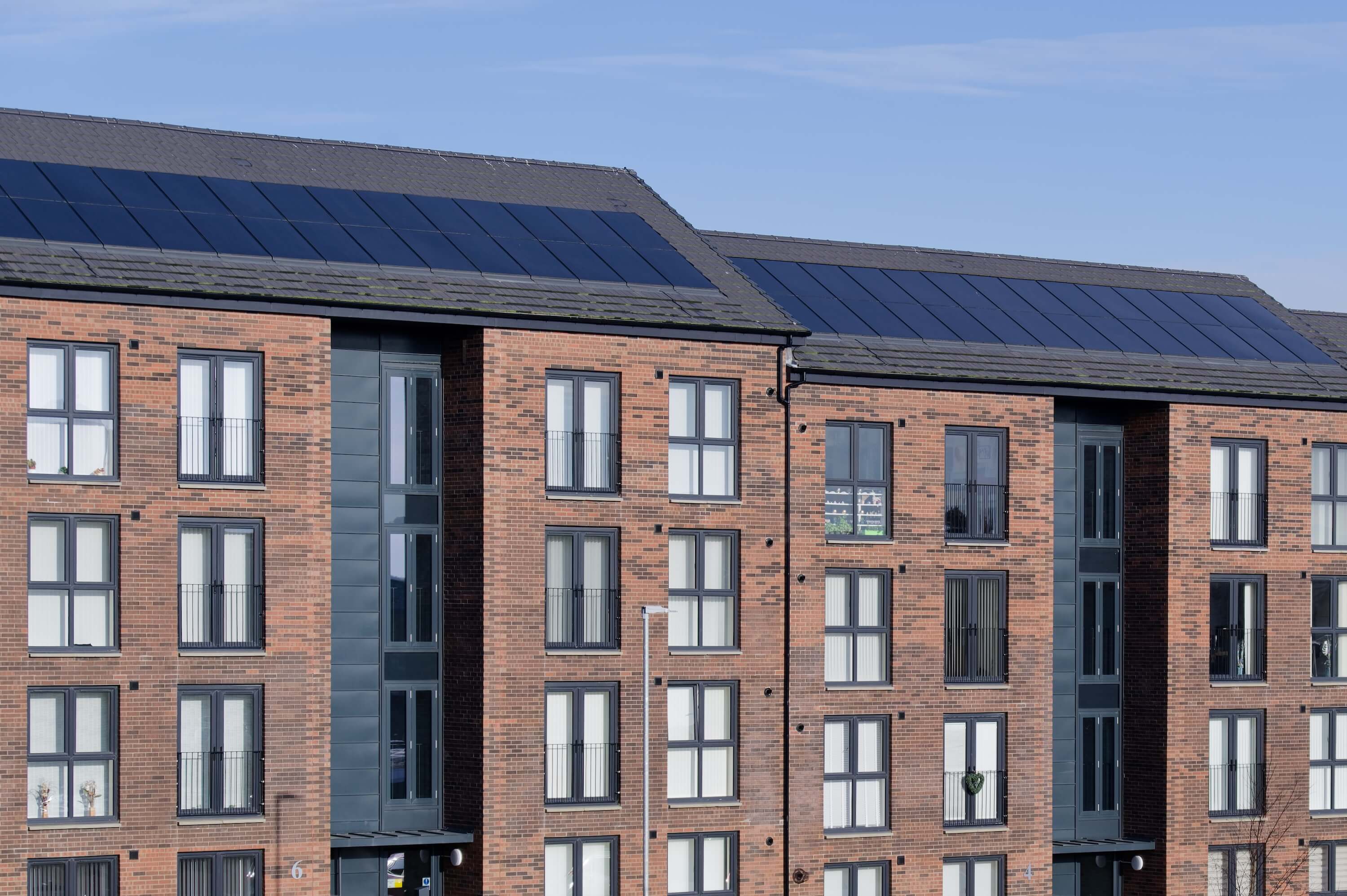
With the 2030 deadline for upgrading 500,000 homes to Building Energy Ratings (BER) B2 standards through residential retrofit planning, Ireland needs 60,000+ homes upgraded during each of these remaining 4 years. Focusing on BER B2 retrofit upgrades at scale is essential to hit that target, so housing providers, developers, and Approved Housing Bodies (AHBs) need to begin well-planned retrofit projects.
In this guide, we’ll walk you through the process of planning retrofit projects for BER B2 upgrades.
1. Why Residential Retrofit Planning Matters for Housing Portfolios
According to the Sustainable Energy Authority of Ireland, the residential sector is responsible for almost one quarter of all of the energy used in the country. And since 67% of European homes were constructed before 1980, improving BER ratings to the B2 level will make a significant impact on efficiency and greenhouse gas emissions. When it comes to large scale residential retrofit planning in Ireland, especially when planning across portfolios, it’s important to carefully craft a plan that is specifically designed to deliver that BER B2 rating.
Homes in larger portfolios will vary greatly and usually have different layouts and characteristics, occupancy statuses, current BER ratings, and ages. This level of complexity means a one-size-fits-all approach can’t be repeated across an entire portfolio of housing units and more nuanced planning is needed. A housing portfolio retrofit can face significant delays, budget pressures, and inconsistent outcomes without proper retrofit planning. A BER B2 rating is the most common target when starting a housing portfolio retrofit, but building a full retrofit plan that can deliver this rating in practice requires an in-depth understanding of residential retrofit planning in Ireland.
2. Start with a Clear Assessment of the Housing Stock
Achieving BER B2 across a portfolio of residential homes is not just about individual upgrades; it requires a clear retrofit strategy. Properly assessing the housing in your portfolio is the best first step in any residential retrofit projects in Ireland. In order to get a high-level read on the existing BER profile, the existing insulation levels and insulation materials, heating systems, layout, building age, condition, and occupancy status of your housing stock needs to be evaluated before a plan can take shape.
Following this in-depth analysis, you will likely find that some homes may be suitable for early-phase retrofit works, while others may require more complex intervention. Early-phase works might include installing double or triple-glazed windows to improve airtightness or improving the building fabric by adding wraparound insulation. More complex intervention might include projects like heat pump installation. Thinking that housing portfolio retrofit planning first begins with choosing specific products or newer technologies is a common misconception, and it is absolutely essential to begin with an in-depth assessment of the housing stock in order to best understand which improvements will lead to a BER B2 rating. Completing upgrade works in phases based on groups of homes with common characteristics can increase efficiencies and save on costs.
3. Building a Retrofit Strategy to Achieve BER B2
In residential retrofit projects, Ireland’s BER B2 rating award usually require a package of energy upgrade and retrofit measures rather than one isolated upgrade project. Homes built before 1980 often have a long list of common elements and features that contribute to heat loss such as single-glazed windows that contribute to a lack of airtightness, inefficient and fossil-fuel dependent heating systems, deteriorating or inefficient insulation, or a lack of centralised climate controls. All of these features must all be properly prioritised in the early strategy planning stages in order for efficient upgrading to take place. Depending on their assessed starting point, different homes in a portfolio may need different BER B2 retrofit upgrade pathways. This is why phasing, or the process of breaking down large residential retrofit planning projects into more manageable segments or phases, is such an essential construction project management strategy.
A skilled and experienced company will be able to juggle phasing, budgeting, and aligning retrofit priorities with available resources and delivery capacity in order to hit deadlines. A realistic delivery model for retrofit projects includes procurement (the process of acquiring materials, contractors, and building services), programme management and clear communication with both stakeholders and any residents. As all of these complex elements are necessary in building a successful residential retrofit upgrade strategy, it’s important to keep in mind that a BER B2 rating is the outcome of a well-structured strategy rather than the strategy itself.
4. Common Challenges in Large-Scale Residential Retrofit Projects
Older housing stock and portfolios with stock across different developments and properties pose unique challenges during retrofits. Inconsistent property data, mixed building conditions, managing disruption to occupied homes, funding limitations and project coordination can all pose problems for large scale retrofit project stakeholders. Inconsistent property data is usually the result of reporting errors, incomplete or piecemeal data collection, self-reporting errors from previous homeowners, or erroneous energy usage records due to faulty technology. Mixed building conditions are more common in urban areas, where residential, retail, or commercial zoning are combined within a single structure, and this often poses the largest challenges with the design phase of the retrofit process. Since a portfolio may include so much diversity when it comes to the buildings and their conditions, scaling a retrofit project never a matter of repeating the same process across every unit. Budgetary overages are common when trying to implement a one-size-fits-all approach, as many unforeseen adjustments have to take place in the later project phases. But when done appropriately, scaling increases the efficiency of your retrofit project and ensure you get consistent results across categories and phases.
Conclusion
Successful residential retrofit planning in Ireland starts with an in-depth assessment and audit that leads to a full understanding of the housing stock portfolio. After the unique characteristics of the residential properties are evaluated, each unit can be grouped according to factors like age, floor plan, airtightness, building fabric, insulation needs, zoning, complex intervention needs, and occupancy status. After the assessment, clear priorities can be set and a realistic path to BER B2 can be planned in phases. Phasing then takes budgeting into account and aligns retrofit priorities with available resources and delivery capacity in order to hit deadlines. A realistic delivery model for retrofit projects depends on successful procurement and project management.
Setting clear priorities, understanding the housing stock, and planning a realistic path to achieving BER B2 are of the utmost importance for successful residential retrofit planning in Ireland. For larger-scale retrofit projects at the portfolio level, individual upgrade measures are ineffective and costly. Proper planning and assessment, coordination across teams and phases, and an in-depth understanding of BER B2 considerations will lead to a successful residential retrofit project delivered on budget and on time.
Want more information about planning residential retrofit projects in Ireland and BER B2 upgrades? Explore our retrofit page.
FAQs
1. What is residential retrofit planning?
Residential retrofit planning is the process of assessing housing stock and creating a structured plan for energy upgrade works. It helps organisations decide what measures are needed, how projects should be phased and how outcomes such as BER B2 can be achieved.
2. Why is retrofit planning important for housing portfolios?
Housing portfolios often include different property types, ages and conditions, which makes large-scale delivery more complex. Good planning helps reduce risk, control disruption and improve the chances of meeting energy performance targets.
3. Can every residential retrofit project follow the same approach?
No, that is rarely the case. Different homes usually need different combinations of retrofit measures depending on their condition, construction type and starting BER level.
4. Who is this article for?
This article is aimed at Irish housing providers, AHBs, local authorities, developers and portfolio owners planning residential retrofit works. It is designed for B2B readers making decisions on projects at scale.
For more assistance in planning large-scale residential and commercial renewable energy retrofitting projects, contact us today.